
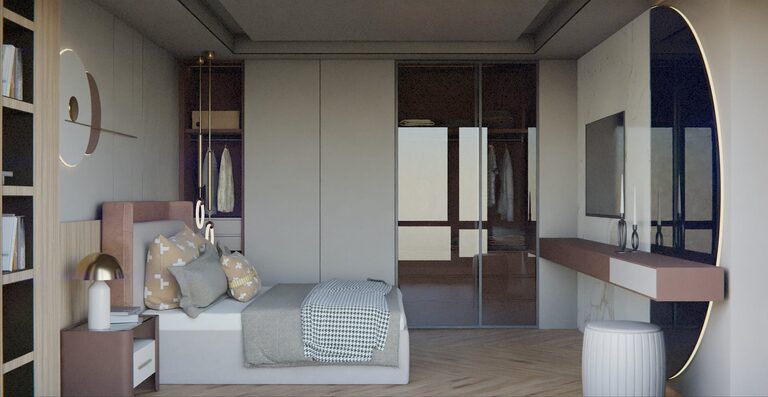
Living in a noisy environment can be stressful and make it difficult to relax or concentrate. Whether you’re dealing with loud neighbors, street noise, or sounds from within your own home, there are simple strategies you can use to reduce noise levels and enjoy a quieter space. In this post, we’ll explore practical ways to minimize noise at home without major renovations.
Why Reducing Noise at Home Matters
Excessive noise can affect your mood, sleep quality, and overall well-being. Creating a calm environment helps improve focus, reduces stress, and makes your home more comfortable. Fortunately, you don’t need to hire contractors or spend a fortune to make noticeable improvements.
Common Sources of Noise in the Home
Before tackling noise reduction, it’s helpful to identify where the noise is coming from. Common noise sources include:
– Traffic and street noise
– Neighbors or shared walls
– Appliances and electronics
– Footsteps or movement within the home
– HVAC systems and plumbing
Understanding these sources will guide you in choosing the most effective noise-reducing methods.
Simple Ways to Reduce Noise at Home
1. Add Soft Furnishings
Hard surfaces reflect sound, making rooms louder. Introducing soft materials helps absorb sound waves and reduce echo.
– Use rugs or carpets on floors
– Hang heavy curtains or drapes on windows
– Add cushions and upholstered furniture
– Consider fabric wall hangings
These changes also add warmth and style to your space.
2. Seal Gaps and Cracks
Sounds can easily enter through gaps around doors, windows, and outlets.
– Apply weather stripping around doors and windows
– Use door sweeps at the bottom of doors
– Fill cracks or gaps with acoustic caulk or sealant
Sealing these openings reduces outside noise and prevents sound from traveling between rooms.
3. Rearrange Furniture Strategically
Placement of furniture can impact sound flow in a room.
– Position bookshelves or wardrobes against shared walls to act as sound barriers
– Create “buffer zones” by placing cushioned chairs and sofas near noisy areas
– Avoid empty spaces near noisy walls that can amplify sound
This low-cost approach helps reduce noise transmission within your home.
4. Use White Noise or Sound Machines
White noise machines can mask distracting sounds by producing a consistent ambient noise.
– Choose sound machines with natural sounds like rain, waves, or wind
– Use fans or air purifiers as background noise if preferred
– Place machines in bedrooms or work areas to improve focus and sleep
These devices help your brain tune out sudden, disruptive noises.
5. Upgrade Windows and Doors
Windows and doors are major points where noise enters.
– Install double-glazed or insulated windows to reduce outside noise substantially
– Use solid-core doors instead of hollow-core doors for better soundproofing
– Consider adding window inserts or storm windows as a cost-effective alternative
While this may require some investment, the noise reduction can be significant.
6. Manage Noisy Appliances
Some household appliances can be unexpectedly loud.
– Choose quiet models for washing machines, dishwashers, and HVAC systems when replacing
– Place noisy machines on vibration-dampening pads
– Regularly maintain and lubricate equipment to keep noise levels down
Small steps can make a noticeable difference in everyday noise.
7. Create a Quiet Room or Zone
If possible, designate a room or a section of your home as a quiet retreat.
– Furnish with soft textiles and sound-absorbing materials
– Keep electronics and noisy activities outside this space
– Use plants to add both decor and natural noise absorption
Having a dedicated quiet area can improve your ability to recharge.
Additional Tips for Noise Reduction
– Use doorstoppers to prevent doors from banging
– Hang tapestries or quilts on walls as inexpensive sound absorbers
– Place floor cushions or bean bags in noisy play areas
– Limit loud activities during late hours to respect neighbors and household members
Final Thoughts
Reducing noise at home doesn’t have to be complicated or costly. By using soft furnishings, sealing gaps, rearranging furniture, and employing simple devices like white noise machines, you can create a more peaceful living environment. Start with a few changes and enjoy the calm that comes with a quieter home.
Taking these steps not only benefits your well-being but also increases the comfort and value of your home. With a bit of effort, you can transform any noisy space into a restful sanctuary.